


Mould on upholstery is a common problem, especially in damp or humid conditions. If you’ve ever wondered how to remove mould from fabric lounge or how to remove mould from fabric sofa, you’re not alone. Mould can appear quickly, especially on furniture that is frequently exposed to moisture, such as in basements or areas with poor ventilation. Fortunately, with the right tools and techniques, you can safely remove mould and restore your upholstery. In this article, we’ll walk you through a simple, five-step process to safely remove mould from your furniture.
Why Does Mould Grow on Upholstery?
Before we dive into how to remove mould from fabric, it’s important to understand why it happens. Mould thrives in warm, humid, and poorly ventilated environments. If your fabric lounge or sofa has been exposed to excess moisture, it can create the perfect breeding ground for mould. Over time, mould will begin to grow on the surface of the fabric, leaving unsightly patches and causing potential health hazards.
If you’re dealing with mould on your upholstery, it’s important to act quickly. Not only does it ruin the appearance of your furniture, but it can also affect indoor air quality and lead to respiratory problems. So, let’s get started on how you can safely and effectively remove mould from your fabric sofa or lounge.
Step 1: Gather Your Materials
Before you begin removing the mould, it’s important to gather all the necessary materials. This will ensure that you don’t have to stop midway through the process to find something you need. Here’s a list of the basic items you’ll need to remove mould from your upholstery:
-
Gloves: To protect your hands from the mould spores and cleaning solutions.
-
Face mask: To avoid inhaling mould spores, which can be harmful to your respiratory system.
-
Vacuum cleaner: For removing loose mould spores from the fabric.
-
Baking soda: A natural and effective mould-fighting agent.
-
White vinegar or rubbing alcohol: These substances help kill mould and sanitise the fabric.
-
Soft-bristled brush: To gently scrub the affected areas.
-
Microfibre cloth or sponge: To wipe away excess moisture and mould.
-
Water: To dilute cleaning solutions.
Step 2: Vacuum the Upholstery
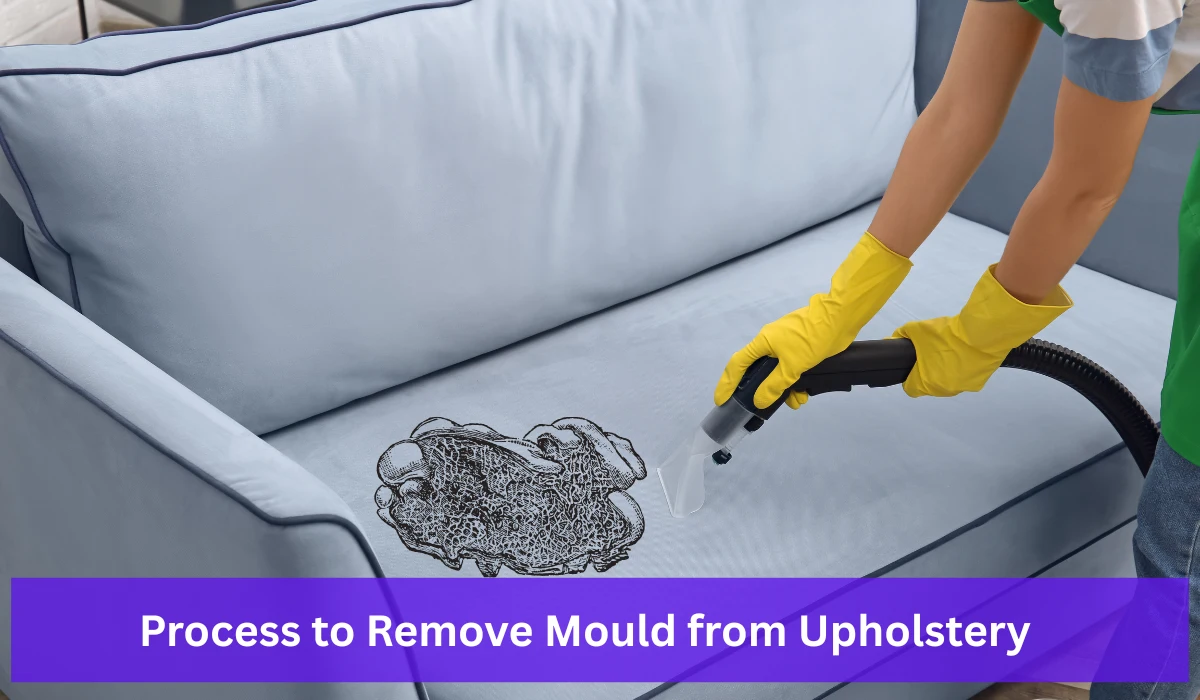
The first thing you need to do when trying to remove mould from fabric sofa is to vacuum the upholstery. This helps remove loose mould spores and debris that might be sitting on the surface of the fabric. Be sure to use a vacuum cleaner with a hose attachment and a soft brush to avoid damaging the fabric.
Why Vacuuming is Important?
Vacuuming is a crucial first step because it reduces the number of mould spores that could potentially spread through your home as you work. Be thorough, especially in the corners and crevices where mould may have settled. Dispose of the vacuum bag or clean the canister immediately to avoid re-contaminating the area.
Step 3: Use a Cleaning Solution
After you’ve vacuumed the mould off, it’s time to tackle the stain and the remaining mould with a cleaning solution. There are a couple of natural options that work effectively on fabric upholstery:
-
White vinegar and water solution: Mix equal parts white vinegar and water in a spray bottle. Vinegar is a powerful antifungal agent and helps kill mould spores.
-
Rubbing alcohol solution: Alternatively, mix equal parts rubbing alcohol and water. Rubbing alcohol also works well to kill mould and sanitise the fabric.
Spray the cleaning solution directly onto the affected areas of the sofa, focusing on the mould spots. Let the solution sit for 10-15 minutes to allow the cleaning agents to break down the mould.
How to Get Stains Out of Upholstery
If mould has left behind stains, this cleaning solution will help loosen them. After allowing the solution to sit, use a soft-bristled brush to gently scrub the fabric in a circular motion. This will help lift the stains and mould particles without damaging the fibres of the fabric. Be sure not to scrub too hard, as this could cause damage to delicate upholstery.
Step 4: Rinse and Dry the Upholstery
Once you’ve scrubbed away the mould and stains, it’s time to rinse the upholstery. Dampen a clean microfiber cloth or sponge with water, and gently wipe down the fabric to remove the cleaning solution and any remaining mould particles.
Why Drying Is Crucial?
After rinsing, it’s important to dry the fabric thoroughly. Mould thrives in moist conditions, so leaving your upholstery damp can encourage more mould growth. Use a dry towel to blot excess moisture from the fabric, and then allow the couch to air dry completely.
If you can, place the furniture in a well-ventilated area, or use a fan to speed up the drying process. This will help prevent any new mould from growing while the fabric dries.
Step 5: Apply Baking Soda to Freshen and Absorb Moisture
Once the upholstery is completely dry, apply a light dusting of baking soda to the fabric. Baking soda acts as a natural deodoriser and will absorb any remaining moisture or odours that could attract more mould. Let the baking soda sit on the fabric for a few hours, then vacuum it up.
This final step helps ensure that your fabric lounge or sofa is fresh and free from both mould and lingering moisture.
Prevent Future Mould Growth
Now that you’ve successfully removed the mould from your upholstery, it’s important to take steps to prevent it from returning. Here are a few simple tips to help keep your fabric lounge or sofa mould-free:
-
Maintain Proper Ventilation: Keep your home well-ventilated, especially in areas where mould is more likely to grow, such as basements or bathrooms. Use fans or dehumidifiers to reduce humidity levels and keep moisture in check.
-
Clean Spills Immediately: If you spill anything on your couch, especially in a damp environment, clean it up right away. The longer liquid sits on fabric, the more likely it is to contribute to mould growth.
-
Regular Cleaning: Regularly vacuum and clean your upholstery to remove dust and debris that may attract moisture and mould. If you live in a particularly humid area, consider deep-cleaning your furniture once every few months to keep it mould-free.
Conclusion
Removing mould from upholstery doesn’t have to be a difficult task. By following this simple 5-step process, you can effectively remove mould from fabric sofa or how to remove mould from fabric lounge safely and without damaging your furniture. The key is to act quickly, use the right cleaning solutions, and ensure that your upholstery is dried thoroughly to prevent future mould growth.